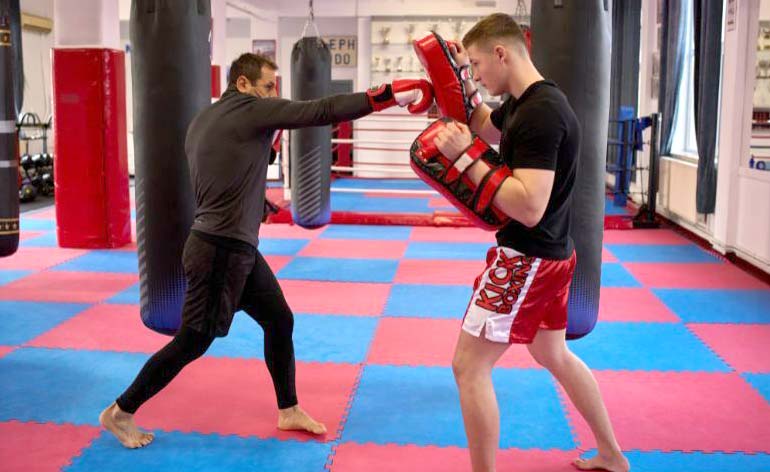
Every martial arts school should feel like a place where discipline and safety work together. Students walk in to grow stronger, not to worry about preventable risks. Instructors set the tone, but the facility itself plays an equally important role. When schools prioritize safety, they build trust and support long-term growth.
Build a Strong Foundation With Clean Training Areas
Clean mats and organized training floors create a safer environment for everyone. Dust, sweat, and debris can lead to slips or skin irritation during close-contact practice. Instructors should schedule regular cleaning routines and inspect surfaces before each class. A well-maintained space helps students focus fully on technique instead of distractions.
Maintain Equipment and Training Gear
Worn-out gear can quickly turn into a hazard during drills or sparring. Gloves, pads, and weapons should stay in good condition and get replaced when needed. Students also benefit from guidance on how to care for their personal equipment. When everyone treats gear responsibly, the entire training environment becomes safer.
Improve Visibility and Lighting
Proper lighting allows students to see movements clearly and react with precision. Dim or uneven lighting increases the chance of missteps or accidental contact. Schools should install consistent lighting across all training zones, including entryways and changing areas. Clear visibility supports safety and effective learning.
Address Safety Beyond the Training Floor
Safety doesn’t stop at the mat’s edge, especially in larger facilities. Parking areas, entrances, and shared spaces need just as much attention. Some schools operate in complexes that require maintaining and testing parking garage gas detection system setups to ensure air quality and safety for visitors. When schools think beyond the dojo, they create a complete safety experience.
Establish Clear Safety Practices
Students and staff should understand expectations from day one. Simple rules and consistent reminders prevent avoidable injuries. Instructors should demonstrate proper techniques and correct mistakes quickly. Strong communication builds awareness and keeps everyone accountable. Keep these safety practices in mind:
- Encourage proper warm-ups before every session.
- Enforce the use of protective gear during sparring.
- Set clear boundaries for contact levels.
- Keep first aid kits fully stocked and accessible.
- Train staff to respond quickly to injuries.
Encourage a Culture of Awareness
A safe martial arts school depends on more than rules and equipment. Students should feel comfortable speaking up if something seems off. Instructors can model this mindset by staying attentive and approachable. When everyone stays aware, small issues get resolved before they grow into larger problems.
Martial arts schools build strength, discipline, and confidence, but facility safety must remain part of that journey. Schools that invest in clean spaces, reliable equipment, and clear practices create a better experience for every student. These efforts support physical well-being and mental focus.