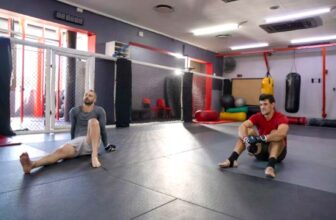
Great fighters do not win long rounds through grit alone. They build engines that support sharp footwork, clean breathing, and calm decisions under pressure. For martial artists, endurance work should improve skill rather than drain it. Smart conditioning gives the body a strong aerobic base while leaving enough energy for technical practice. Read on to learn how fighters build endurance without burning out.
Protect Skill Work From Conditioning Fatigue
Many fighters burn out because they place hard conditioning too close to technical training. Heavy legs can ruin kicking mechanics, and tired shoulders can spoil a guard position. A fighter should schedule endurance work to support the main practice rather than stealing from it.
On skill-heavy days, conditioning should feel like support work rather than a second battle. A light session can prepare the body before class or help the athlete unwind afterward without leaving the legs heavy for the next practice. When fighters save their harder endurance work for separate conditioning days, they give each session a clearer purpose.
Build the Base Before Chasing Intensity
A fighter needs steady conditioning before harder rounds make sense. Easy aerobic work teaches the body to recover between exchanges while maintaining relaxed movement. This does not mean jogging until the legs feel dead. It means training at a pace where breathing stays controlled and posture stays clean. A fighter should finish this work feeling better, not broken.
Ideally, the gym or dojo should offer cardio exercise equipment that burns fat to help fighters stay in shape. Options such as a bike, rower, treadmill, or incline trainer all give the joints a break from heavy impact exercises. Over time, this helps the body heal and build muscle.
Use Intervals That Match the Fight
Hard intervals can help fighters handle pressure, but only when the effort has a clear purpose. A useful session should feel connected to the rhythm of a real round, where the athlete attacks with intent before settling back into controlled movement. This pattern builds the ability to recover while staying mentally present.
A simple interval session can look like this:
- Work hard for 30 seconds
- Move lightly for 60 seconds
- Repeat for 6 rounds
- Stop before the technique breaks
Maintaining interval workouts helps fighters learn to manage heavy breathing without rushing decisions or losing shape.
Recover Like It Is Part of the Round
One of the best ways fighters can build endurance without burning out is by focusing on recovery. The body adapts when it has enough rest to process the work, so recovery should never feel like wasted time. A fighter who sleeps poorly or trains through constant fatigue may still feel committed, but their movement often tells a different story. Footwork slows, timing slips, and sharp technique starts to feel forced.
Recovery can still keep the body connected to training. Easy shadowboxing helps restore rhythm without adding strain, while gentle mobility can make stance work feel smoother during the next session. Fighters who respect recovery usually come back with better snap, clearer focus, and more love for the art that keeps them training.