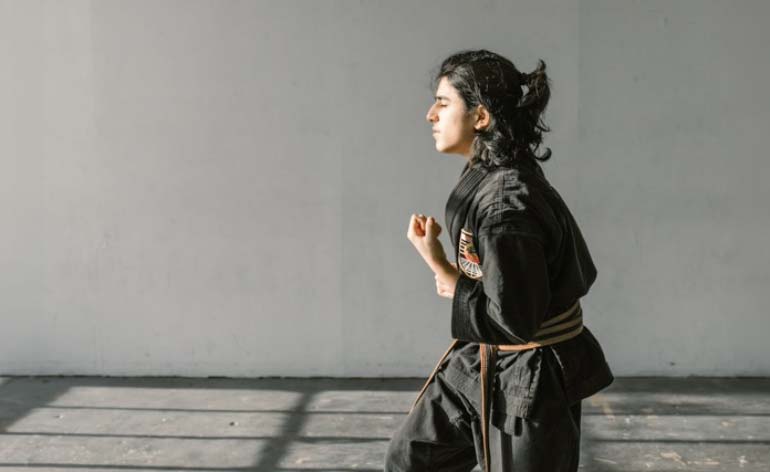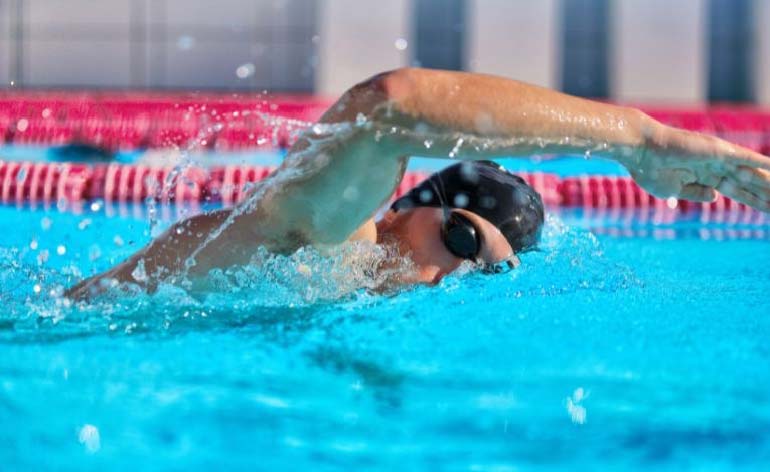
For martial artists, staying strong and mobile matters just as much as building technique. Training sessions can be intense on the body, especially over time, which is why many fighters and athletes look for ways to stay active without adding extra wear and tear. That’s where swimming often enters the conversation.
Swimming offers one of the most balanced forms of exercise; it improves endurance, strengthens muscles, and gives joints a break from constant impact. Still, it’s not perfect for every athlete or every training goal. Understanding the pros and cons of swimming for your health can help you decide whether the pool deserves a place in your routine.
Pro: It Reduces Stress on the Body
One of swimming’s biggest strengths is how gentle it feels compared to high-impact workouts. Martial arts training can put pressure on the knees, hips, ankles, and lower back through striking, grappling, and repetitive movement. Water helps reduce that stress by supporting body weight while still creating resistance.
This makes swimming useful during recovery periods or after hard sparring sessions. Many athletes find they can stay active in the pool even when running or heavy conditioning feels uncomfortable.
Con: Pool Conditions Affect Usability
Not every pool offers the same experience. For example, poorly maintained water can lead to irritated eyes, dry skin, or breathing discomfort after long swimming sessions.
Older pool filtration systems can also affect water quality and overall user comfort. In some cases, facilities choose to upgrade outdated pool systems for better performance, including improved water circulation and better chemical balance.
Pro: It Builds Endurance and Coordination
Swimming challenges the entire body at once, as the arms, legs, shoulders, back, and core all stay active during even a moderate swim session. For martial artists, that full-body engagement can translate well into improved conditioning and movement control.
Breathing rhythm is another major benefit. Learning to stay calm and controlled while working hard in the water can support better cardiovascular efficiency during combat training.
Con: It Doesn’t Fully Replace Strength Training
Swimming develops muscular endurance, but it does not place the same load on bones and muscles as resistance training or impact-based exercise. Fighters who only rely on swimming may miss out on important strength and bone-density benefits that come from lifting weights, plyometrics, or martial arts drills themselves. For that reason, swimming tends to work best as a supplement rather than a complete replacement for other forms of training.
Finding the Right Balance
Swimming can be an excellent addition to a martial artist’s routine when used strategically. It supports recovery, improves endurance, and offers a lower-impact way to stay active between demanding training sessions. At the same time, it works best when combined with strength work, mobility training, and sport-specific practice.
Like martial arts itself, balance matters. The key is understanding the pros and cons of swimming for your health to determine how it fits your goals.