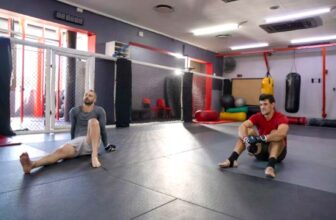
You trained hard yesterday. Now everything hurts. Your shins ache, your shoulders feel tight, and getting out of bed took serious effort. While your instinct might tell you to collapse on the couch and binge-watch TV until the soreness fades, total inactivity often makes things worse. That’s why active recovery for martial artists plays a critical role in easing soreness, restoring movement, and preparing your body for the next hard session.
Your body needs movement to flush out metabolic waste and repair damaged tissue. Explore these five great active recovery tips for martial artists and get ahead of DOMs.
1. Flow Yoga and Mobility Work
Martial arts demand extreme ranges of motion. High kicks, deep takedowns, and complex guard passes require loose hips and mobile shoulders. Yoga targets these exact areas while teaching you to control your breath—a vital skill for sparring.
Focus on a gentle flow rather than power poses. You want to open tight joints, not build strength. Poses like Pigeon, Downward Dog, and Cat-Cow loosen the spine and hips. Regular mobility work prevents injuries and keeps your kicks snappy even on your days off.
2. Low-Intensity Swimming
Water provides resistance without impact, making it the perfect medium for recovery. Gravity takes a backseat, which gives your joints a much-needed break from the pounding they take during jump rope, running, or sparring sessions.
Swimming engages your entire body. The water pressure assists with circulation, pushing blood back to the heart and reducing inflammation. You don’t need a custom setup or a detailed checklist for designing your dream pool to get the benefits; a simple community lap pool works perfectly. Just 20 minutes of easy laps or treading water can loosen stiff muscles and reduce the feeling of heaviness in your limbs.
3. Technical Shadowboxing
Shadowboxing often turns into a workout, but for recovery, you must keep the intensity low. Think of this as flow sparring with an imaginary opponent. Move your body through the techniques you know but remove the snap and power.
Focus purely on technique and footwork. Visualize your defense. This keeps your mind sharp and reinforces muscle memory without taxing your nervous system. You maintain your skills while allowing your body to heal.
4. Foam Rolling and Self-Myofascial Release
Tight fascia restricts movement and causes pain. A foam roller or a lacrosse ball is great for deep tissue massages that you can perform yourself. It breaks up knots and improves blood flow to specific areas.
Target the muscle groups that martial arts overuse:
- Lats: Essential for grappling and punching power.
- Quads and IT Bands: Often tight from kicking and footwork.
- Calves: These take a beating from staying on your toes.
- Upper Back: vital for maintaining a strong guard posture.
Spend about 30 to 60 seconds on each tender spot. Breathe through the discomfort. The release you feel afterward improves your overall range of motion immediately.
5. Walking or Hiking
Walking remains the most underrated form of recovery. It’s simple, free, and effective. A brisk 30 minute walk increases blood flow, which delivers oxygen and nutrients to repairing muscles.
Walking also offers mental recovery. Martial arts require intense focus. Getting outside and looking at the horizon can reset your nervous system and lower stress levels. Leave your headphones at home and just listen to your surroundings to give your brain a true break.
Recovery dictates your progress just as much as your training intensity does. If you never let your battery recharge, your performance suffers, and injury risk skyrockets. Incorporate these five great active recovery tips into your weekly schedule. Your body will thank you, and your teammates will notice the difference when you step back onto the mats with renewed energy.