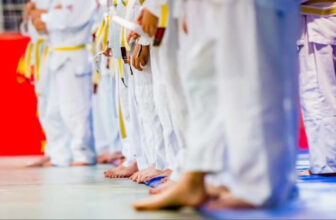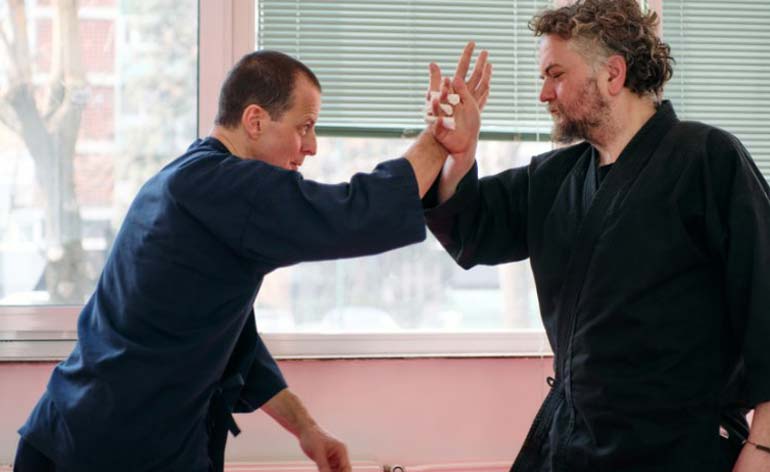
Mirrors, clean walls, and open floor space can make a studio look ready, but martial arts training asks for a different feeling. A successful Studio to Serious Dojo Transformation should shift a student’s mindset before the first bow.
For anyone turning a studio space into a serious dojo, the details matter because they guide how people move, focus, and treat the space. A strong room supports training without distracting from it.
Start With the Floor
Every class begins with the surface underfoot. A dance or fitness studio may look ready at first, but martial arts training asks more from the floor. Students pivot, kneel, and fall with force.
Choose flooring based on the art you teach. Grappling needs impact support. Striking arts need stable footwork. Weapons practice needs open space and a surface that won’t catch the feet.
Before the first class, walk the full floor and notice how it feels near seams and edges. Mats should sit flat and stay put, since even a small lift can interrupt a drill or create a safety concern.
Shape the Room Around Movement
Good layout keeps the room from feeling improvised. The entrance should lead naturally toward the training area, while shoes and bags stay out of the way.
Keep the center open so students can bow in, warm up, and work with partners without shifting around furniture. Wall decor should support the mood, not compete with it. One strong focal point often feels better than a wall full of clutter.
A serious dojo does not need to look expensive. It needs intention.
Before the First Class
- Check mat seams and corners
- Clear the path from the entrance
- Test lighting from the training floor
- Set one clean place for gear
Small checks like these can catch problems before students notice them.
Protect the Walls From Training Wear
Regular training can be hard on walls. Students brush past the same corners, gear bumps trim, and hands find the same spots near doors after class.
Paint can make the space feel fresh, but durability matters once training begins. Entry points usually show wear early, and planning for paint wear in high-traffic areas can help the dojo keep its sharp appearance after classes settle into the schedule.
Washable finishes make touch-ups easier. Even when students never think about the walls directly, a cared-for room supports the atmosphere.
Make Cleaning Part of Training Culture
Because students train close to the floor, cleaning should be part of the routine, especially since many martial arts involve contact, making mat care vital. The CDC recommends cleaning high-touch surfaces regularly and other surfaces when dirty.
Follow manufacturer instructions to avoid damage. Setting expectations early helps students see cleanliness as a sign of respect, making it easier to maintain.
Leave Space for Growth
The first class may not need much gear, but the room should still have room to change. More students may join. Seminars or testing days may call for a different setup.
Avoid filling every corner at the beginning. Open space gives the school room to adapt without making the dojo feel crowded.
The strongest studio-to-serious-dojo transformation respects the art, the students, and the everyday care behind training. When the room supports focus and movement, it becomes more than a studio. It becomes a place where people can train with purpose.