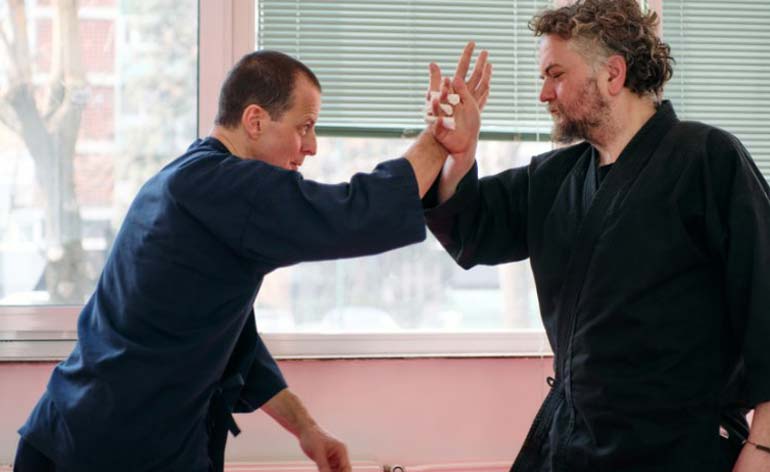
Martial arts training asks athletes to move their bodies with speed and focus. Following effective martial arts nutrition tips can support those demands by providing practitioners with the energy to train hard and the nutrients needed for recovery. Read on to learn five food tips to help martial artists perform their best.
Fuel Training With Carbohydrates That Last
Carbohydrates are valuable for martial artists because they help power repeated bursts of movement, from kicking combinations to grappling exchanges. For example, foods like oats, rice, potatoes, wholegrain bread, and noodles can help practitioners feel stronger through a full class. A meal three or four hours before training may include vegetables and lean protein, while a lighter snack closer to class could be a banana or toast.
Build Meals Around Protein For Repair
Another food tip to help martial artists perform their best is to build meals around protein. Training creates stress in the muscles and connective tissues, especially during striking rounds and strength work.
Protein helps the body repair stress-related damage, making eggs and lean meats useful choices. Spreading protein throughout the day can support recovery better than relying on a single large serving after training.
Respect Minerals, Not Just Calories
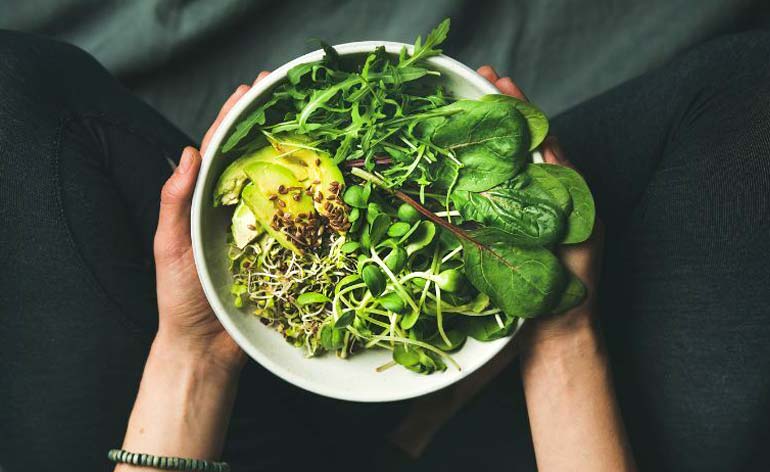
Calories matter, but minerals support such functions as nerve signaling and muscle contraction. Martial artists can lose minerals through sweat. Magnesium, calcium, potassium, sodium, zinc, and iron all deserve attention because low intake can leave an athlete feeling flat even with enough total food intake.
Food should remain the foundation, so mineral-rich choices such as leafy greens and seafood can help. However, if you’re concerned that your body is not getting enough minerals, the use of fulvic acid can help boost your mineral uptake. For martial artists, minerals belong in the same conversation as sleep, mobility, coaching, and smart recovery habits.
Hydrate Before The Sweat Starts
Hydration should begin before class rather than after fatigue appears during sparring or conditioning. Even mild dehydration can make effort feel harder and affect your timing and balance. Water throughout the day gives the body a better starting point than drinking a large amount right before training.
Choose Recovery Foods That Calm Inflammation
Hard training can leave the body sore, especially after sparring or heavy bag rounds. Colorful fruits and vegetables can support recovery by giving the body antioxidants and healthy fats.
A post-training meal with dishes such as tofu with rice, vegetables, and sesame seeds can help martial artists feel ready for the next session without relying on ultra-processed convenience foods.
Food will not replace practice or rest, but it can make each of those easier to sustain. By following these martial arts nutrition tips and repeating simple habits over time, athletes can make nutrition part of the same discipline that builds cleaner technique, calmer sparring, and lifelong health.