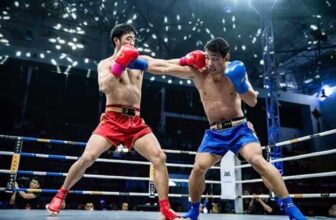
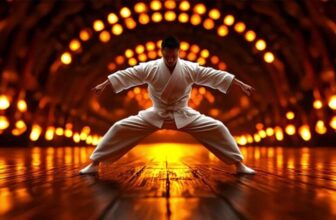
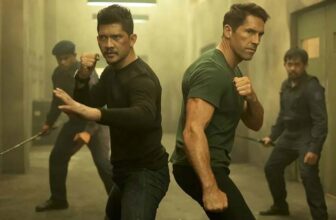
While the UFC is often associated with wrestling, Brazilian Jiu-Jitsu, and Muay Thai, the Kung Fu influence on MMA is often overlooked. From refined movement patterns to deep combat philosophy, traditional Chinese martial arts have quietly shaped how elite fighters approach striking, balance, distance control, and mental composure inside the cage.
Footwork and Distance Control
One of Kung Fu’s strongest contributions to MMA is footwork. Styles such as Wing Chun, Choy Li Fut, and Northern Shaolin emphasise angle changes, evasive movement, and controlling distance. In MMA, fighters who excel at range management often appear calmer and more efficient — traits deeply rooted in Kung Fu training.
Fighters like Anderson Silva and Stephen “Wonderboy” Thompson have demonstrated fluid movement that echoes traditional Kung Fu concepts, even if they trained in multiple disciplines. The ability to glide in and out of range without unnecessary energy expenditure is a timeless combat skill.
Striking Precision Over Power
Traditional Kung Fu prioritises precision, timing, and structure over brute force. Rather than loading up on strikes, many Kung Fu systems teach relaxed power, quick delivery, and targeting vulnerable points.
This approach aligns perfectly with MMA striking at the highest level. Clean shots score, conserve energy, and reduce exposure to counters. Fighters who rely on accuracy rather than raw aggression often enjoy longer careers and fewer injuries.
Mental Discipline and Calm Under Pressure
Kung Fu training is as much mental as it is physical. Breath control, focus, and emotional regulation are cornerstones of traditional practice. In the UFC, where adrenaline and pressure can derail even elite athletes, mental composure often separates champions from contenders.
You can see this influence in fighters who remain composed during chaotic exchanges, reset quickly after setbacks, and make intelligent decisions late into fights.
Adaptability and Flow
Many Kung Fu systems teach adaptability — responding to an opponent’s energy rather than forcing exchanges. This philosophy mirrors the concept of “flow state” that many modern fighters strive to enter during competition.
Rather than rigidly sticking to one style, adaptable fighters blend techniques seamlessly, reacting instinctively rather than thinking mechanically.
Kung Fu’s Quiet Legacy
While Kung Fu may not always be named on a fighter’s résumé, its influence is undeniable. Movement, balance, timing, and mental clarity — these are Kung Fu’s gifts to MMA.
As the sport continues to evolve, traditional martial arts principles remain deeply relevant, proving that ancient systems still have a place in modern combat.