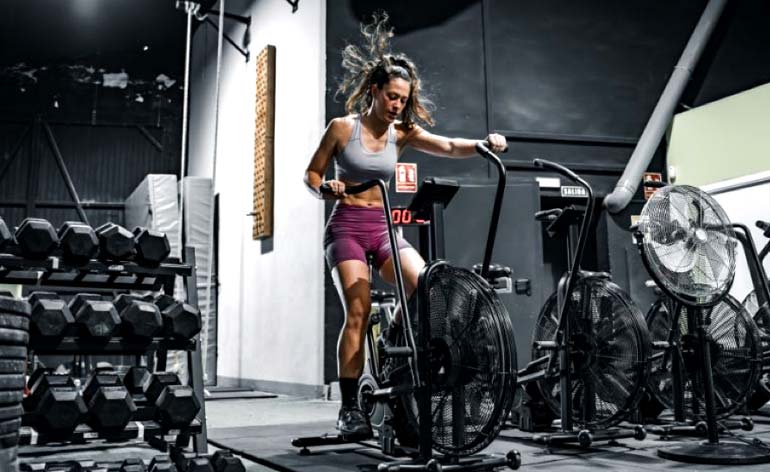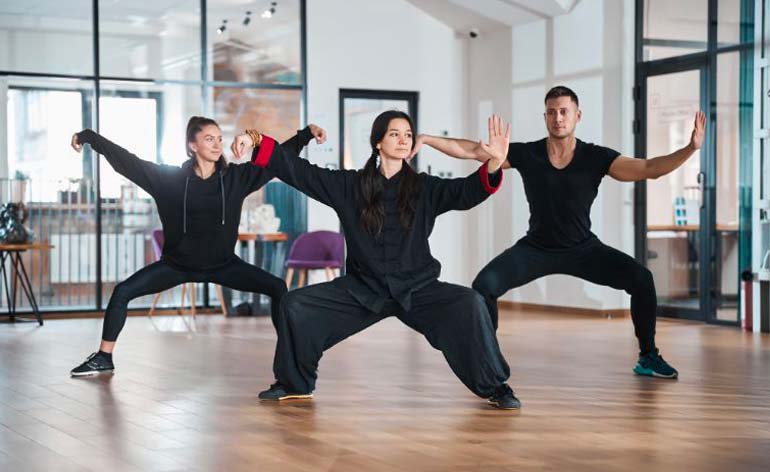
Training outside the dojo offers freedom unlike any other environment, highlighting the benefits of open spaces for martial arts training. A vast field or an empty warehouse allows martial artists to push limits in ways a cramped studio prevents.
The benefits of open spaces for martial arts training extend far beyond just having room to breathe; these settings challenge balance, improve footwork, and simulate real-world scenarios.
Mastering Footwork and Mobility
A dojo often confines movement to linear drills or small circles. When a practitioner steps into a larger area, restrictions vanish. You can practice long-range attacks without hitting a wall or another student. This freedom encourages fluid movement patterns.
Retreating and advancing over long distances builds stamina. You learn to manage spacing against multiple opponents, a skill that suffers in tight quarters. Open environments force you to cover more ground, which improves cardiovascular health and leg strength.
Adapting to Uneven Terrain
While padded mats ensure safety, they don’t mimic real-world surfaces like grass, dirt, sand, or concrete. Training on these varied terrains compels your muscles to make continuous micro-adjustments, enhancing proprioception and your body’s spatial awareness.
A 2024 systematic review from the National Institutes of Health indicates that proprioceptive training helps stabilize joints and lowers injury risk. By practicing balance on uneven terrain, you strengthen the stabilizer muscles in your ankles and knees, which can help prevent sprains during intense sparring.
Enhanced Ventilation and Focus
Indoor air quality often suffers during high-intensity classes. Sweaty bodies and poor circulation create a stifling atmosphere that saps energy. An open environment provides fresh oxygen, which fuels muscles and clears the mind.
Mental clarity plays a huge role in martial arts. The absence of mirrors removes the temptation to obsess over appearance. Instead, focus shifts entirely to how the body feels and moves. Nature offers a calming backdrop, enabling deeper meditation and a stronger connection to the practice.
Managing Group Dynamics and Equipment
Large classes often struggle for space indoors. Weapons training, specifically with bo staffs or swords, requires ample room to avoid accidents. Open spaces allow instructors to spread students out safely.
This layout also improves logistics in warehouse-style gyms. Just as functional commercial garage doors or large bay doors increase warehouse efficiency by streamlining workflow and airflow, they also allow for seamless transitions between indoor and outdoor drills in a training facility. You can move heavy bags, sparring gear, and mats without bottlenecks, keeping the class energy high.
Simulation of Real-World Combat
Self-defense rarely happens on a soft mat with air conditioning. It occurs in parking lots, parks, or streets. Training in these environments prepares the mind to cope with environmental stressors.
Sunlight, wind, and noise add variables that indoor training cannot replicate. You learn to fight with the sun in your eyes or with the wind affecting your balance. This exposure builds mental toughness and adaptability, two pillars of any serious martial artist’s journey.
Elevate Your Practice Outdoors
Stepping out of the comfort zone is where growth happens. The benefits of open spaces for martial arts training provide a unique edge in speed, stability, and mental focus. Whether it involves a park session or opening the gym’s bay doors, finding more room to move unlocks potential that four walls often contain.