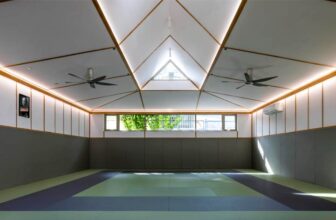
Across the world of digital gaming, martial arts symbolism cuts a unique, persistent thread, alive in titles that borrow from kung fu blockbusters, fight tournaments, and the wild energy of animated brawlers. This martial arts slot symbolism is instantly recognizable on screen, forming a tangle of Eastern motifs such as dragons, senseis, and flame-licked temples, all streamlined for quick visual impact and immediate player recognition.
These aren’t just design choices, either, they’re shaped by film, video games, and a centuries-old fascination with combat disciplines. In most martial arts-themed slots, a narrow repertoire of classic icons jumps out, fast and unmistakable even if you’re just glancing at spinning reels.
The visual presence hasn’t faded, at least not in 2024. If anything, martial arts styling now sits at the crossroads of tradition and pop culture, the visuals swinging between the familiar and the new.
Core symbols and iconic motifs
In almost every collection of martial arts slots, players encounter a curated set of symbols drawn from classic fighting and training lore. The cast typically includes stylized fighters, masked senseis, or cartoonish figures representing different skill tiers or in diverse stances.
Backgrounds often feature dojo gates, temple silhouettes, and dragons, signaling key transitions or bonus states. According to analysis by FightMatrix and Temple, weapons such as nunchaku, katanas, and gloves appear frequently, joined by color-coded belts and ornate headbands. Philosophical emblems like yin-yang wilds, jade coins, scrolls, and dragon medallions serve functional as well as decorative purposes.
Licensed products build on this foundation, adding tournament logos or fighter portraits from well-known fighting brands or cinematic classics. These symbols are compressed into bold silhouettes and rendered in saturated hues, making their meanings legible in the rapid visual churn of each spin.
Visual categories across genres
You’ll notice that designers don’t treat martial arts visuals as a single block, far from it. Some dig deep into East Asian art: think waterfalls, quiet temples, monks lost in meditation, ink-brushed calligraphy, and those unmistakable red, gold, and black shades echoing Chinese and Japanese tradition.
Calm, almost meditative backgrounds can flip in an instant, when features kick in with fireworks of “chi” or swirling winds. In contrast, other games take a much lighter tone, riffing on cartoon or parody: pig karate champions, roosters mid-roundhouse, kangaroos jabbing in tiny gloves. These OTT figures, splashed with candy colors, strip away any hint of menace, which keeps things accessible and readable on smaller screens.
Then there are the tie-ins with cinema or arcade fighting games, you get head-to-head portraits, health bars, tight round framing, and flashes of comic-style effects. Sound familiar? It’s playing on nostalgia for every “boss fight” you ever lost quarters to. Some sports-focused recreate the cage or ring, shining spotlights onto reels, and stacking overlays that mimic television broadcasts.
Symbolism adapted for slot mechanics
Here’s a twist, those familiar martial arts graphics don’t just sit there as eye candy. Developers map their meaning straight onto the way games work. The yin-yang, a staple, stands in for wilds and fits with its association with flexibility and movement.
Main fighters or champion belts might become wild or high-value symbols too, drawing attention to mastery. When it comes to feature triggers or bonus rounds, you’ll spot temple gates, trophy icons, or even stylized tournament brackets. animation matters: “walking wilds” transform into dashing fighters, collections feel like you’re training to level up, picking up different icons to hit another stage.
Whenever a win occurs, the visuals often deliver, animated combos, shockwaves, comic “POW!” overlays. Even the sound cues are tightly wound with theme, bells, roars, punches all dial the energy up a notch when you land a hit.
Audio and demographic considerations
Sound plays its own role here. Traditional layer in East Asian music, plucked strings, haunting flutes, orchestral sweeps, while anything MMA or boxing-inspired blasts high-energy mixes, sometimes bordering on hip-hop. When reels pay out, everything spikes: the roar of the crowd, the clang of a gong, the slap of a punch.
Transitions often swipe across with comic book burst or a blaring “Brawl!” in bright letters. Decades ago, fighting themes started slipping into old-school with wrestler or boxer symbols. Since then, things have evolved, modern games are slicker, zooming in on HD artwork or going full slapstick with animal fighters and grinning cartoon senseis.
This helps explain why: fighting game fans, martial arts cinema buffs, anyone who has a fondness for these mythologies find instant recognition. The sillier animal-themed takes keep the format broad, sidestepping overly serious content but keeping the punchy duel spirit.
Responsible gambling considerations
It’s wise to approach martial arts-themed games with the same caution as any other form of play. Best practice? Set boundaries before you start and take regular breaks to stay aware of time and spending. While artial arts slot symbolism can make games feel more immersive or skill-driven, it’s important to remember that visuals and themes don’t influence outcomes — results are always random. Support and responsible gambling resources are available for anyone seeking guidance on keeping gameplay balanced, informed, and enjoyable.