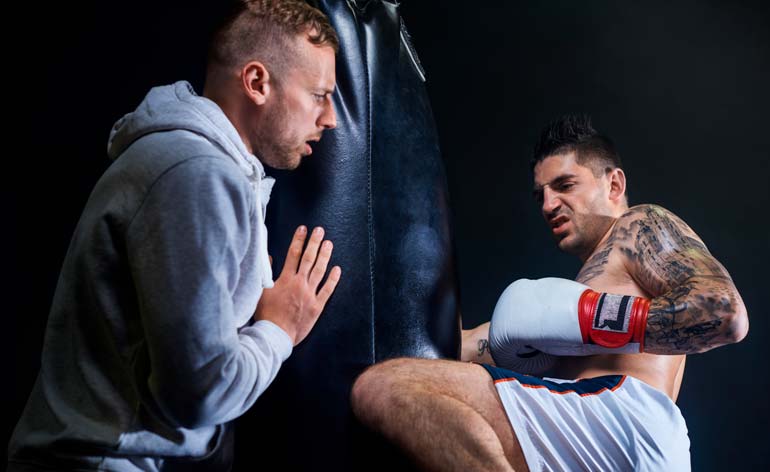
When people think of UFC fighters, they often picture ripped physiques and brutal knockouts. But behind the scenes, elite MMA athletes train very differently from traditional gym-goers. Their goal isn’t just muscle size — it’s functional, real-world strength that translates into performance under pressure.
Unlike bodybuilding routines that isolate muscles, UFC training focuses on full-body movement, coordination, and energy efficiency. Fighters must generate power while conserving stamina, remain mobile under fatigue, and maintain mental clarity in chaotic situations.
Functional Strength Over Aesthetics
UFC fighters prioritise compound movements that mimic fight scenarios. Exercises such as deadlifts, sled pushes, kettlebell swings, and bodyweight carries develop integrated strength across multiple muscle groups. This type of training enhances grip strength, core stability, and balance — all essential inside the octagon.
Many coaches deliberately avoid excessive machine-based workouts, as they can limit natural movement patterns. Instead, free weights, resistance bands, and unstable surfaces are used to challenge the nervous system.
This approach mirrors principles often discussed in functional fitness and mobility training articles on Keep Fit Kingdom, where performance and injury prevention take priority over appearance.
Conditioning That Pushes Mental Limits
Cardiovascular conditioning in MMA is brutally demanding. Fighters must sustain explosive output for multiple five-minute rounds, often with minimal rest. Training methods include high-intensity interval training (HIIT), assault bike sprints, hill runs, and circuit conditioning that simulates fight pacing.
Importantly, conditioning is layered on top of technical training, not isolated from it. This teaches fighters to manage fatigue while maintaining skill — a key differentiator between elite competitors and recreational athletes.
Recovery Is Part of the Program
One misconception is that UFC fighters train endlessly without rest. In reality, recovery is treated as seriously as training itself. Sleep optimisation, mobility work, breath control, and nutrition are all critical.
Many fighters use active recovery sessions, light drilling, and stretching to keep joints healthy. Ice baths, massage therapy, and mindfulness practices are also common, helping regulate stress hormones and speed up recovery.
This emphasis aligns closely with recovery-focused fitness guidance found across KFK’s wellness content.
What Everyday Athletes Can Learn
You don’t need to fight professionally to benefit from MMA-inspired training. Incorporating functional lifts, conditioning intervals, and mobility work can dramatically improve overall fitness.
By training movement instead of muscles, everyday athletes build resilience, coordination, and real-world strength that carries into sport, work, and daily life.